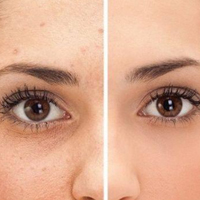
About pigmentation treatment
What to know about pigmentation
Here’s the process.
- Pigmentation is the name that healthcare professionals give to patches of skin that become darker than surrounding areas of skin.
- Types of pigmentation include age spots, melasma, and post-inflammatory pigmentation
- Each of these has different cause and a range of treatments and products, including creams and cosmetic procedures. We discuss these below .
What is pigmentation?
- Pigmentation is when patches of skin appear darker than the surrounding skin.
- Pigmentation occurs when the skin produces more melanin, the pigment that gives skin its color. This can make spots or patches of skin appear darker than surrounding areas.
- Pigmentation is a common skin condition. It affects people of all skin types.
- Some forms of pigmentation, including melasma and sun spots, are more likely to affect areas of skin that face sun exposure, including the face, arms, and legs.
- Other types of pigmentation form after an injury or skin inflammation, such as cuts, burns, acne, or lupus. These can occur anywhere on the body.
- Having extra pigment in some areas of skin is usually harmless but can sometimes indicate another medical condition.
How to get rid of pigmentation
- Although pigmentation is harmless, some people wish to get rid of it. There are a range of possible treatment methods and home remedies that people can try.
- To prevent pigmentation, or to stop it becoming more prominent:
- Avoid exposure to the sun. Use a sunscreen with an SPF of 30 or higher to protect the skin and stop pigmentation from becoming darker.
- Avoid picking at the skin. To prevent hyperpigmentation from forming after an injury, avoid picking at spots, scabs, and acne.